
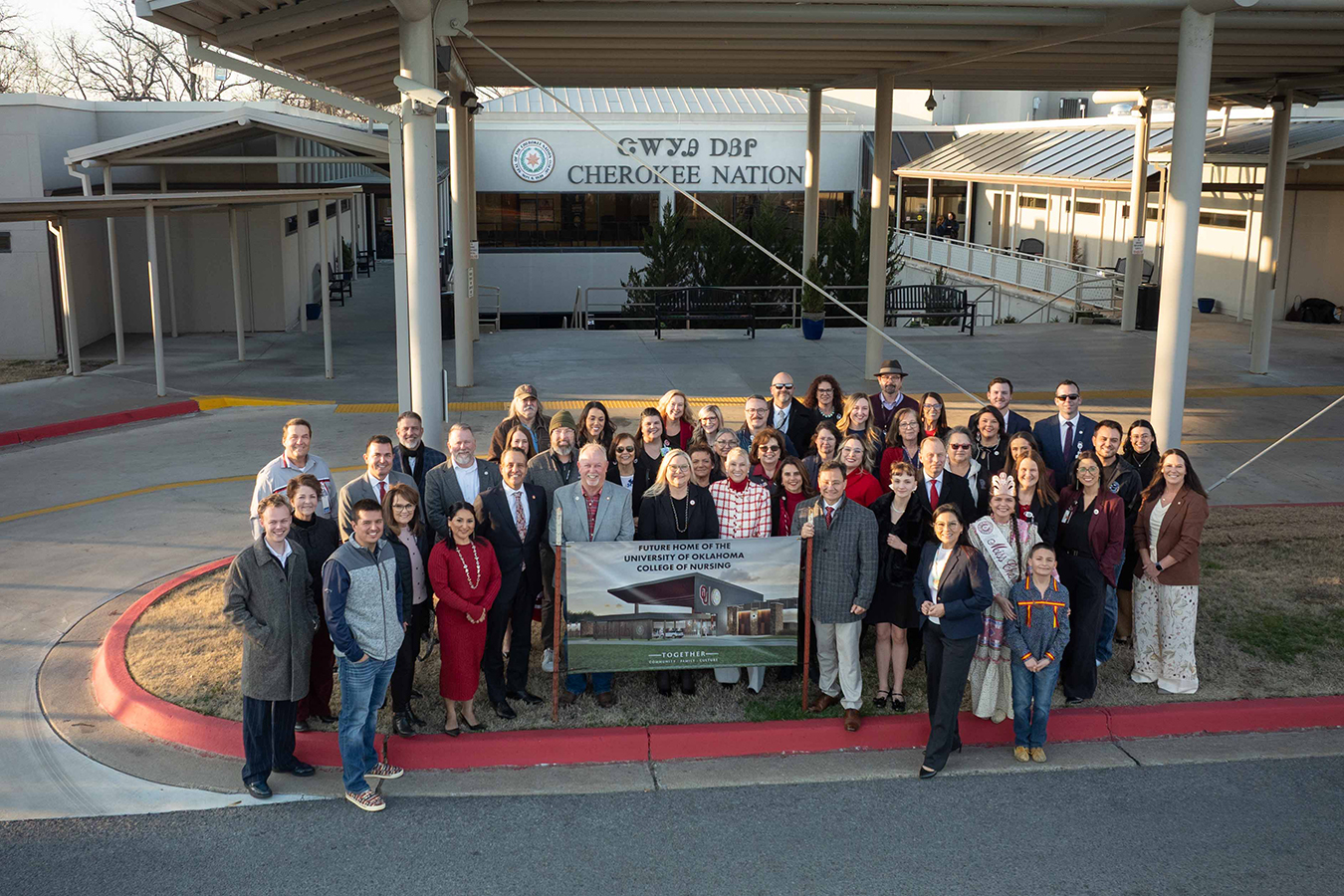
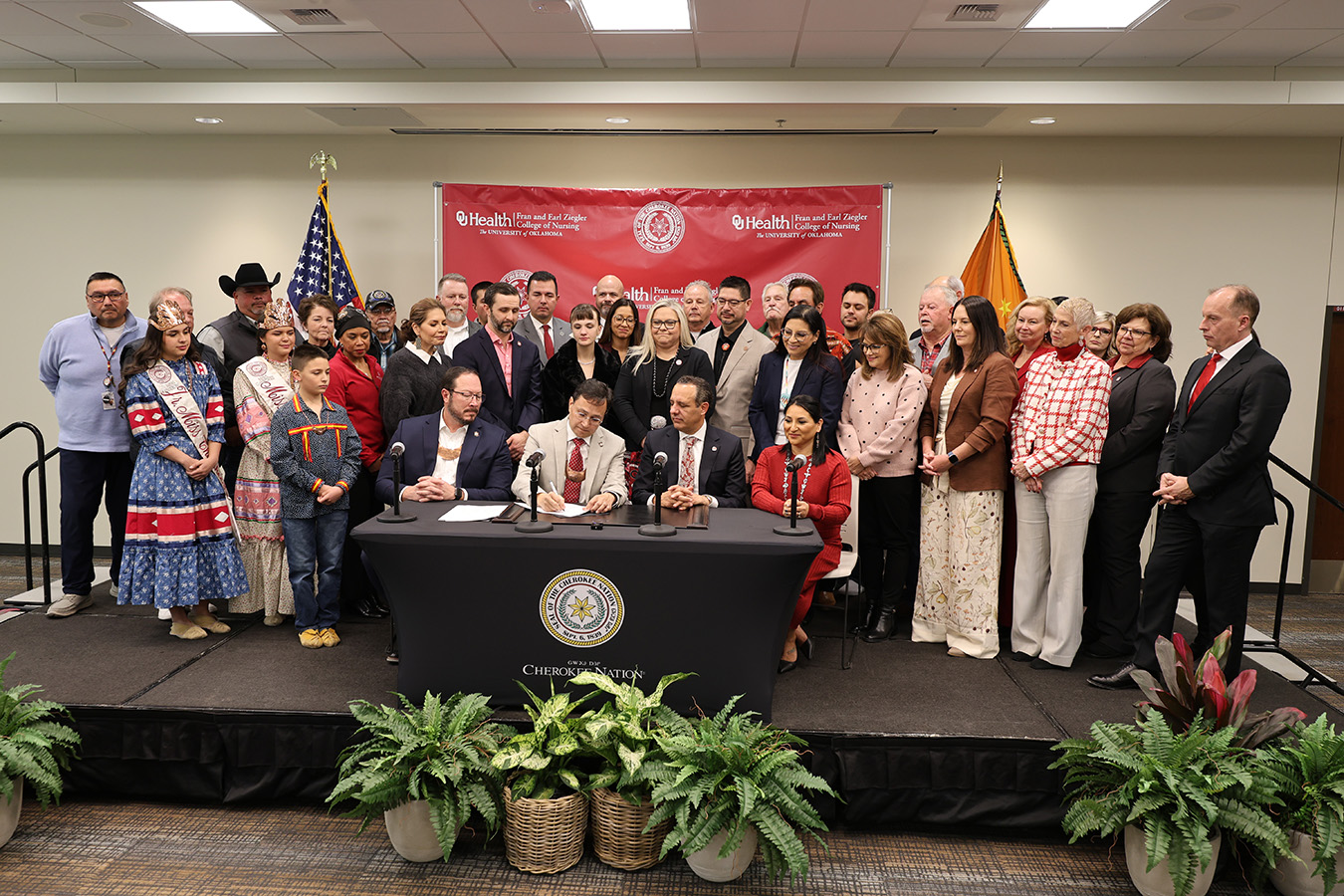
TAHLEQUAH, Okla. — Cherokee Nation Principal Chief Chuck Hoskin Jr. and Deputy Chief Bryan Warner joined University of Oklahoma President Joseph Harroz Jr. and tribal and university leaders Tuesday to sign landmark legislation establishing a $30 million University of Oklahoma College of Nursing satellite campus in Tahlequah, along with additional investments totaling millions of dollars annually to train nurses and healthcare professionals for Cherokee Nation and rural Oklahoma.
The Council of the Cherokee Nation approved the legislative package as part of Chief Hoskin and Deputy Chief Warner’s “21st Century Cherokee Healthcare Workforce Initiative,” marking one of the most significant workforce development investments in tribal history.
The centerpiece of the initiative establishes the Cherokee Nation Nursing and Allied Health Education Center through a partnership with OU, transforming the current W.W. Hastings Hospital facility into a state-of-the-art nursing education campus after hospital operations move to the tribe’s new $450 million facility later this year.
“Today marks a turning point for healthcare in the Cherokee Nation and across rural Oklahoma,” Chief Hoskin said. “By bringing world-class nursing education directly to our community, we are creating pathways for generations of Cherokees to serve their people while addressing a critical shortage that affects every corner of our state. This is about more than buildings and budgets – it’s about ensuring our citizens have access to excellent care delivered by professionals who understand and reflect the communities they serve.”
The initiative addresses urgent workforce needs as Cherokee Nation prepares to open its new W.W. Hastings Hospital, which will require 145 additional registered nurses and nine licensed practical nurses. Oklahoma faces a projected shortage of nearly 6,000 registered nurses by 2038, ranking among the top 10 states with the largest nursing workforce deficits.
Native Americans remain significantly underrepresented in nursing, comprising only 0.4% of the nation’s registered nurses despite persistent health care disparities in tribal communities. Addressing this gap is critical for Cherokee Nation, which operates the largest health system in Indian Country and provides over 3 million patient services annually to members of federally recognized tribes.
“The University of Oklahoma is proud to stand alongside the Cherokee Nation in a shared commitment to improving health outcomes for the Cherokee Nation and all of northeastern Oklahoma,” said OU President Joseph Harroz Jr. “Nursing remains a top priority for OU because a strong health care workforce is essential to a healthy state, and we deeply value the Cherokee Nation’s leadership and vision in advancing that work. This partnership reflects what is possible when we come together to expand access to high-quality nursing education and strengthen communities across Oklahoma.”
Growing Oklahoma’s health care workforce is a core priority of the University of Oklahoma’s Strategic Plan. Beginning in fall 2022, OU expanded access to nursing education by admitting all qualified applicants to its Bachelor of Science in Nursing program – without lowering academic standards. Previously, OU’s Fran and Earl Ziegler College of Nursing accepted about 20% of qualified applicants. Since that change, the number of OU nursing graduates has more than doubled, strengthening the pipeline of nurses serving communities across Oklahoma.
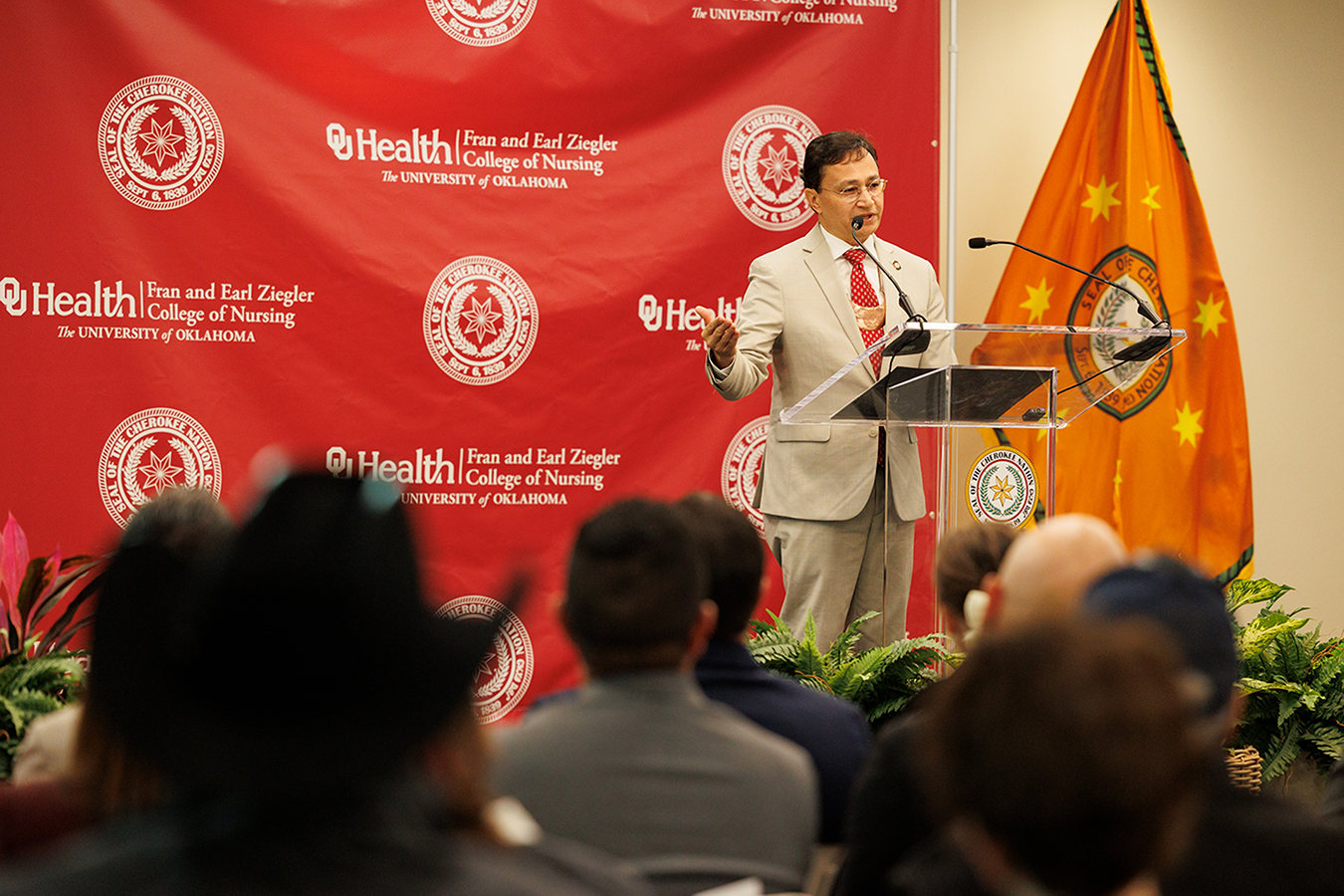
“This partnership demonstrates our shared commitment to building a healthcare workforce that can meet the needs of every community in Oklahoma,” Deputy Chief Warner said. “We’re not just training nurses – we’re creating career ladders for our citizens, supporting our rural neighbors, and ensuring that excellent health care remains accessible for decades to come. The scholarships and training programs we’re launching today will remove financial barriers and make it possible for Cherokees across the country to pursue nursing careers.”
The signed legislation includes:
- $30 million Health Education Center, $5.15 million health scholarship endowment. The Cherokee Nation Nursing and Allied Health Education Center and Endowment Act of 2026Authorizes $30 million to remodel the current W.W. Hastings Hospital facility into the Cherokee Nation Nursing and Allied Health Education Center, housing the OU College of Nursing satellite campus. The act also establishes a $5.15 million endowment through the Cherokee Nation Foundation to provide perpetual scholarship funding for Cherokee citizens pursuing nursing and allied health degrees. Students who commit to serving in Cherokee Nation’s health workforce will receive scholarship preference, with the goal of creating a sustainable pipeline of tribal health care professionals.
- $1 in new health scholarships and youth health career exploration: The 2026 Amendments to the Comprehensive Cherokee Nation Education Scholarship Act of 2024 allocates $1 million annually from the Public Health and Wellness Fund for health field college scholarships and youth career exploration programs administered by the tribe’s Education Services Department, available to Cherokee students regardless of residency.
- $1 million in non-degree health career training: The 2026 Amendments to the Career Readiness Act of 2019 provides $1 million annually for non-degree health career training grants through the Career Services Department and expands the department’s authority to extend services beyond the reservation boundary to meet regional workforce needs.
“The Council is proud to support this transformative investment in our healthcare workforce and our citizens’ futures,” Council Speaker Johnny Jack Kidwell said. “By partnering with the University of Oklahoma to bring nursing education directly to Tahlequah, we’re removing barriers that have prevented too many Cherokees from pursuing careers in health care. This initiative will strengthen our health system, create opportunities for our people, and ensure quality care is available across our region for generations to come.”
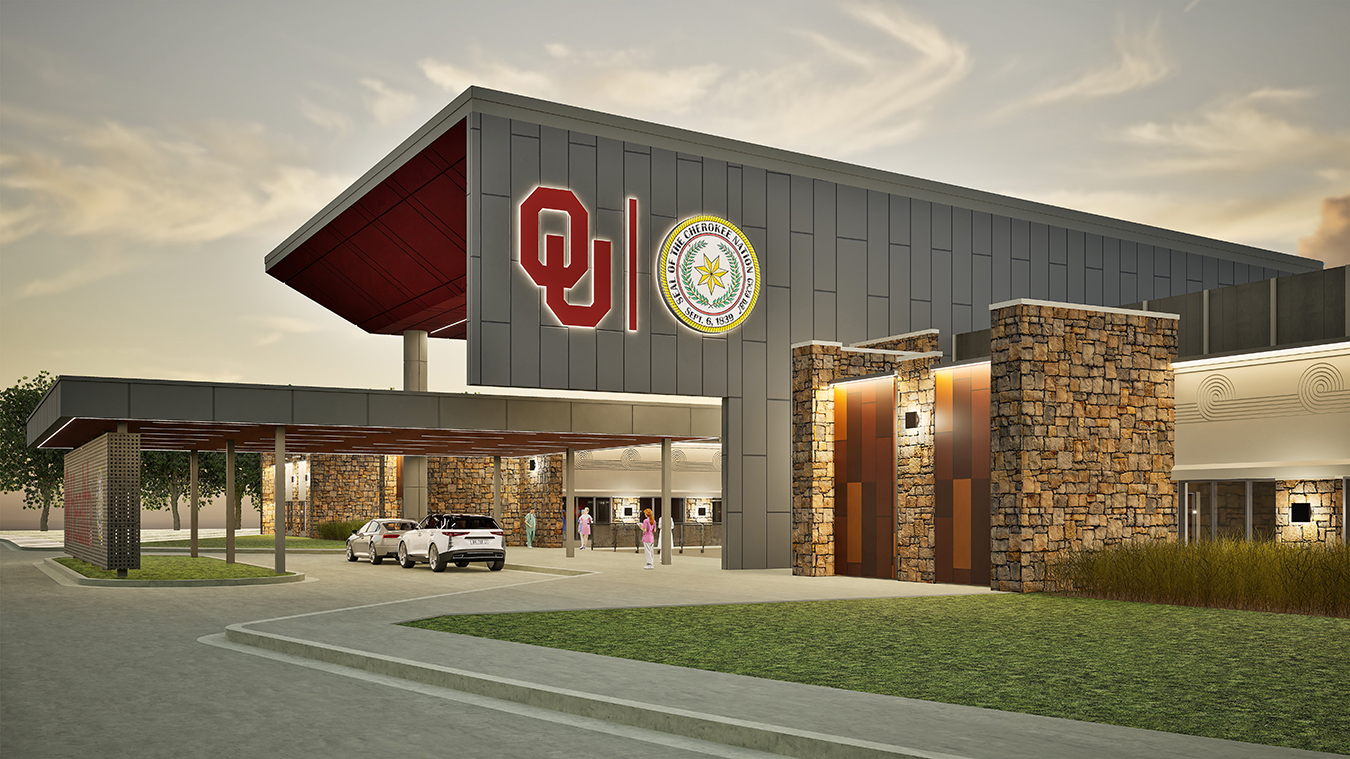
OU will begin offering online nursing courses in fall 2026, with the first cohorts starting before the physical campus is completed. The remodeled facility is scheduled to open in 2027. The program will initially focus on associate-degree RNs and licensed practical nurses seeking Bachelor of Science in Nursing degrees, with plans to expand offerings as enrollment grows.
The ”21st Century Cherokee Healthcare Workforce Initiative” represent the largest single investment in health education in Cherokee Nation history.
The new investments supplement Cherokee Nation’s existing education and workforce development funding, which totaled nearly $38 million last year across scholarship and career training programs. The tribe’s Career Services Department provided more than $12 million in career training support, while its primary scholarship fund distributed nearly $25 million to students.
For more information about Cherokee Nation Health Services, visit https://health.cherokee.org/.