
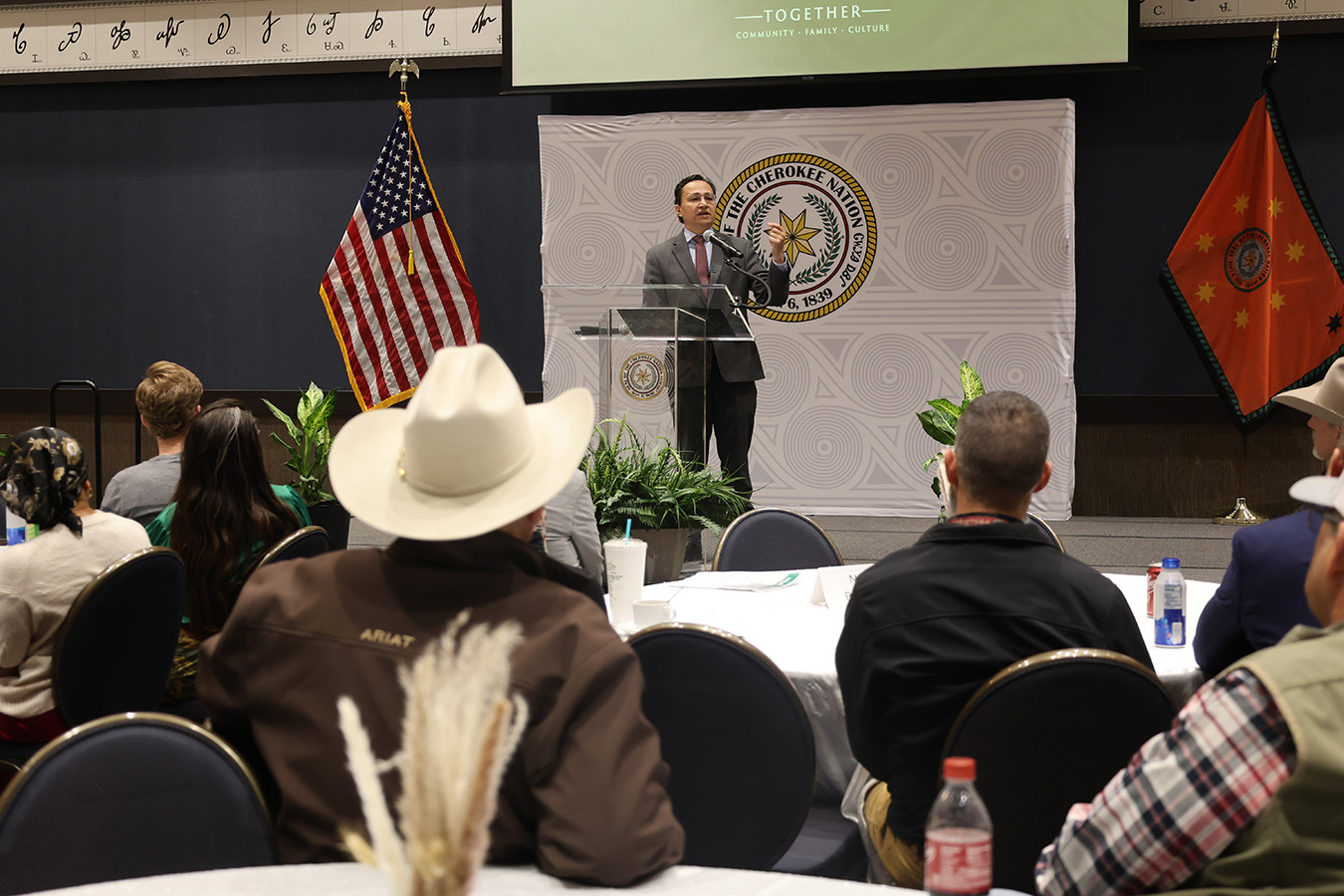
TAHLEQUAH, Okla. – The Cherokee Nation held its second annual Agricultural Summit Feb. 12 at the Chota Conference Center, bringing together agricultural producers, industry experts, and vendors to advance tribal food systems, sustainability and economic development.
The summit featured keynote remarks, four breakout session tracks, and networking opportunities for agricultural producers to engage with specialists across critical areas including livestock management, conservation, renewable energy, financial planning, and sustainable farming practices.
“Agriculture has always been at the heart of Cherokee communities, connecting us to our land, our heritage, and our future,” said Cherokee Nation Principal Chief Chuck Hoskin Jr. “This year’s Agricultural Summit builds on the success of our inaugural event, offering even more opportunities for our farmers and ranchers to learn, connect, and access the resources they need to thrive. We are committed to supporting our agricultural community through education, advocacy, and partnerships that strengthen food sovereignty and economic resilience for generations to come.”
The day-long summit included four breakout session tracks featuring topics such as prescribed burns, aquaponics, soil health and conservation management, feral hog management, the Partners for Fish and Wildlife Program, beekeeping, legal and financial risk management in agriculture, and more.
“Our agricultural producers are the backbone of Cherokee communities, and they deserve every tool and resource available to help them succeed,” said Deputy Chief Bryan Warner. “Through this summit, we’re bringing together local, state, and federal partners to ensure our farmers and ranchers have direct access to the programs, expertise, and support that can make a real difference on their operations. These partnerships are essential to building a stronger, more self-sufficient Cherokee Nation.”
The annual summit is made possible through funding from the United States Department of Agriculture’s Rural Energy for America Program – Technical Assistance Grant (REAP-TAG) program. This program allows Cherokee Nation’s Natural Resources department to provide education and outreach to agricultural producers and to assist them with applying for their own grants or guaranteed loans from the USDA to implement renewable energy systems and energy efficiency improvements within their productions.
“This summit represents our ongoing commitment to empowering Cherokee agricultural producers with the knowledge, partnerships, and resources they need to build sustainable, prosperous operations,” said Cherokee Nation Secretary of Natural Resources Christina Justice. “From renewable energy opportunities to conservation planning, from livestock management to water quality protection, we’re bringing together the best minds and programs to support our farmers and ranchers. This is how we invest in our land, our people, and the future of Cherokee agriculture.”
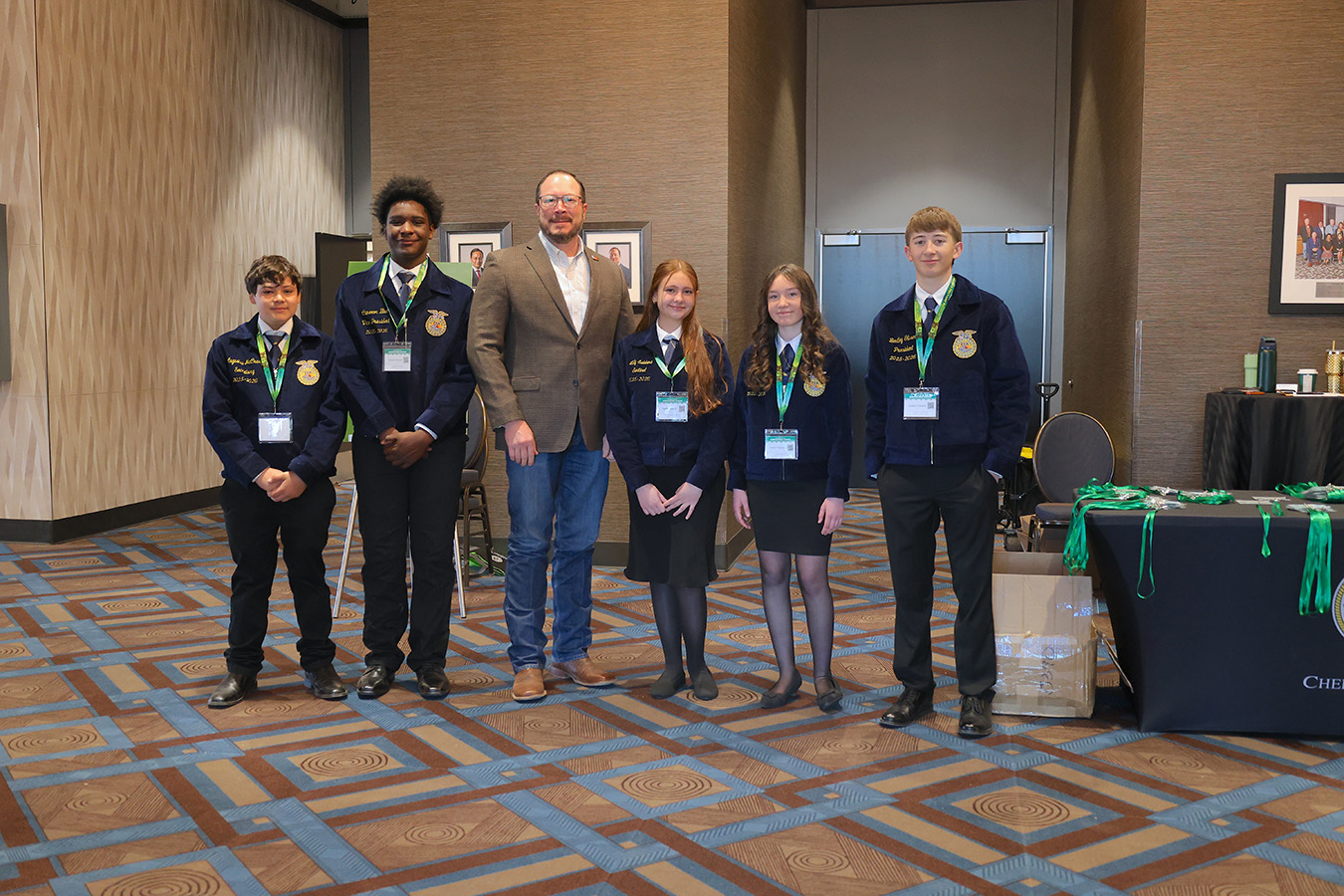
Along with Cherokee Nation’s administration and Natural Resources staff, participants in this year’s agricultural summit included the Council of the Cherokee Nation, the 1839 Cherokee Meat Company, Illinois River Watershed Partnership, NSU, Northeast Tech, Chouteau Lime Company, Taylor Rental, Tahlequah Farmers Market, Peper Patch Farms, Oklahoma Ag Credit, several Cherokee Nation departments and programs, US Fish and Wildlife Service, Oklahoma Beef Council, USDA Natural Resources Conservation Service, USDA Farm Service Agency, Intertribal Agriculture Council, The Nature Conservancy, Grand River Dam Authority, USDA APHIS Wildlife Services, Oklahoma Conservation Commission, Oklahoma State University Extension, Native Agriculture Financial Services, and Sequoyah High School Agriculture students serving as volunteers.
Agricultural producers interested in the services offered through the REAP-TAG program at Cherokee Nation can contact Natural Resources at